What Are You Losing Besides Weight? Why Muscle Matters More Than You Think
Healthy weight loss isn't just about what you lose, it's about what you preserve.
Can I Ask You a Question?
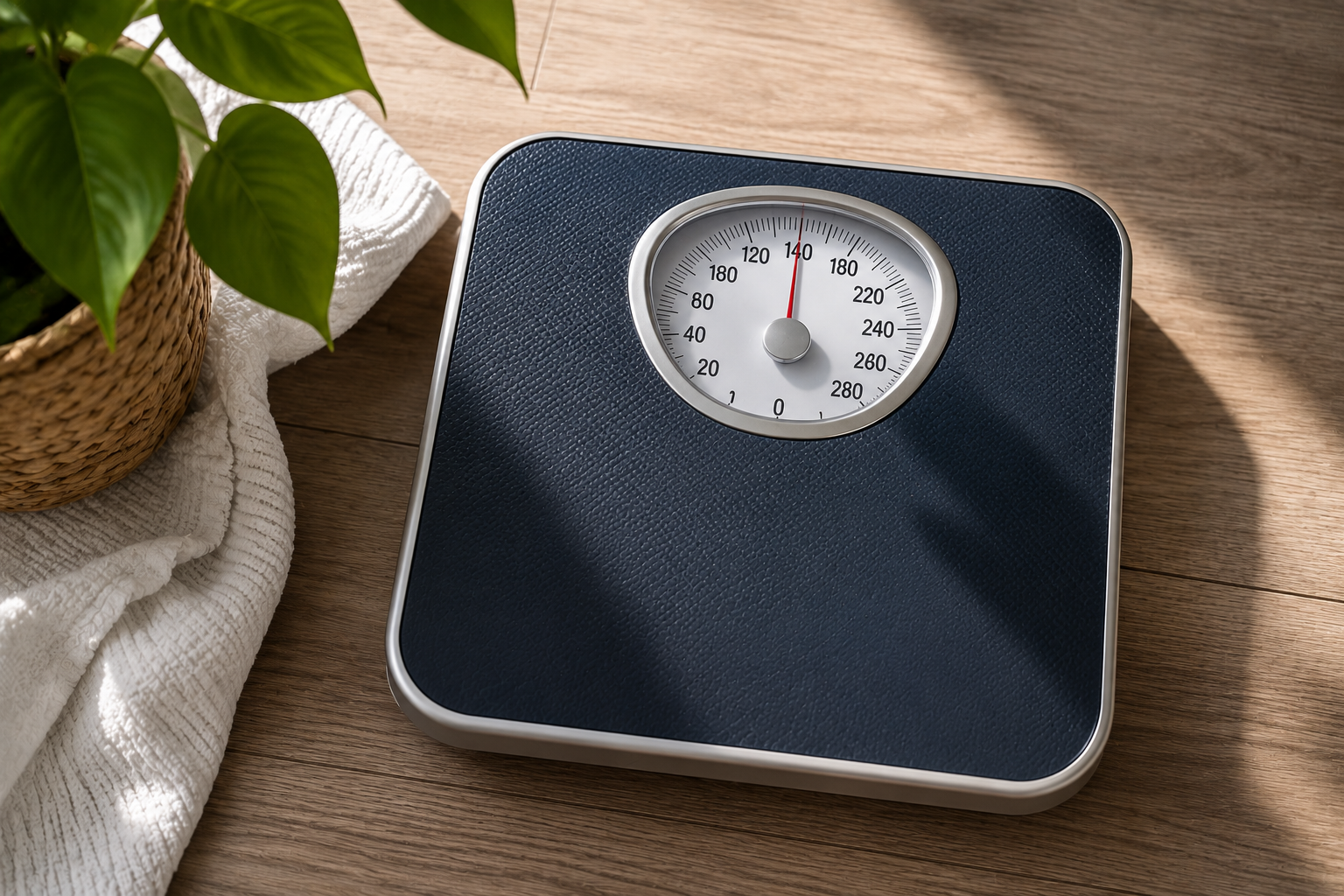
When you step on the scale in the morning, how much does that little number influence the rest of your day?
If it's lower, you probably feel encouraged. If it's higher, or hasn't changed at all, it can be frustrating. You may even start questioning everything you did the day before.I see this all the time with my coaching clients. We've been taught that the scale is the ultimate measure of success. The lower the number, the healthier we must be.
But after working with people on their health journeys, and walking through my own, I can tell you something I've learned. The scale tells us one small part of the story. Sometimes it tells the least important part.
Let's Change the Question
Instead of asking, "How can I make the scale go down?" what if we started asking, "How can I build a body that feels strong, healthy, and capable?" That one question changes everything. Because the goal isn't simply to lose weight, it's to build a body that supports the life you want to live.
Think about it this way. If someone told you a house was worth $500,000, you'd probably have questions. How many bedrooms does it have? Is it move-in ready? Does it need repairs? The price tells you something, but it doesn't tell you everything.
The scale works the same way. It tells you how much your body weighs today, but it doesn't tell you whether you're losing body fat, preserving muscle, getting stronger, sleeping better, or creating habits that will support your health for years to come.
Four Things Muscle Does That the Scale Can't Measure
1. It Helps You Stay Strong
One of my clients smiled during a coaching session and said, "I've lost weight, but I don't feel stronger."
That conversation has stayed with me because I don't want people to become a smaller version of themselves. I want them to become a stronger version of themselves.
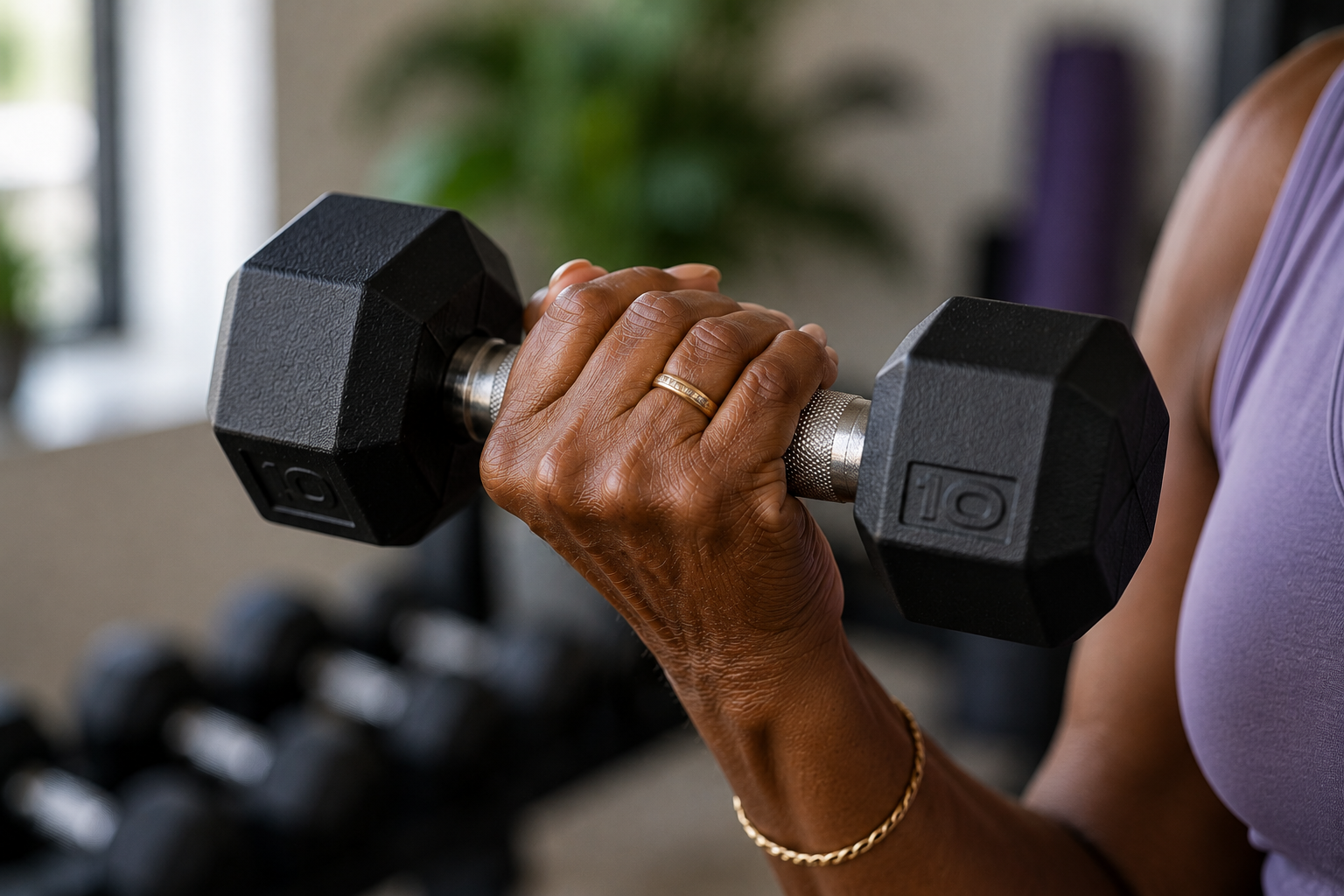
Strength isn't about lifting the heaviest weights in the gym. It's about carrying groceries without thinking twice, climbing stairs with confidence, getting up from the floor with ease, or playing with your children and grandchildren without worrying about your body holding you back.
💜 Coach's Challenge: Schedule two strength-training sessions this week. They don't have to be long. Twenty minutes of intentional movement is a great place to start.
2. It Helps Support Your Metabolism
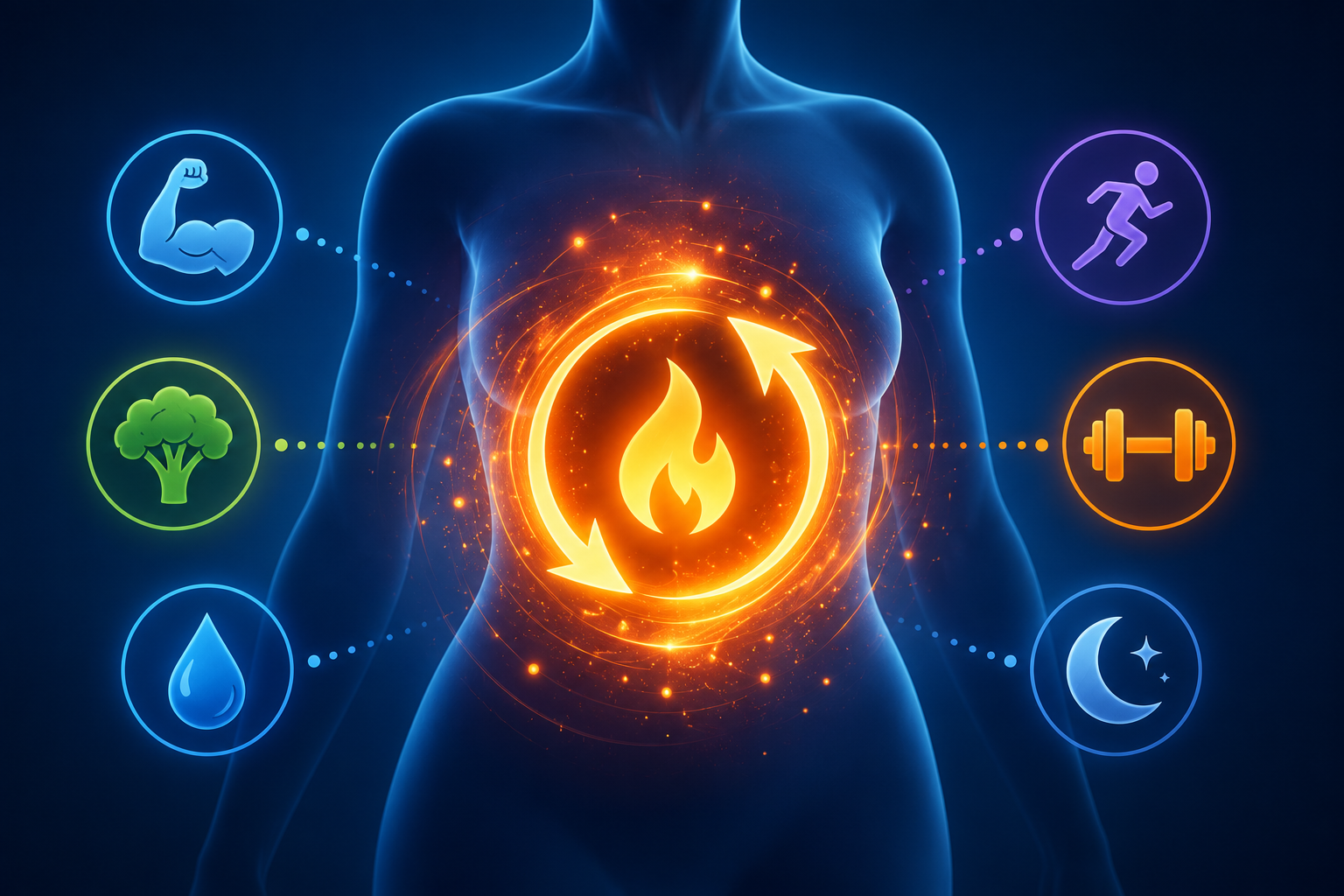
Muscle does more than help you move, it also helps support your metabolism. When we lose muscle during weight loss, our bodies require less energy to function, which can make maintaining weight loss more challenging over time.
That's one of the reasons I'm so passionate about helping people protect muscle instead of focusing only on losing pounds. It's not about eating more; it's about giving your body the nourishment it needs to support the healthy future you're working so hard to build.
💜 Coach's Challenge: At your next meal, ask yourself one simple question: "Am I nourishing my body or just trying to eat less?"
3. It Gives You Energy to Live Your Life
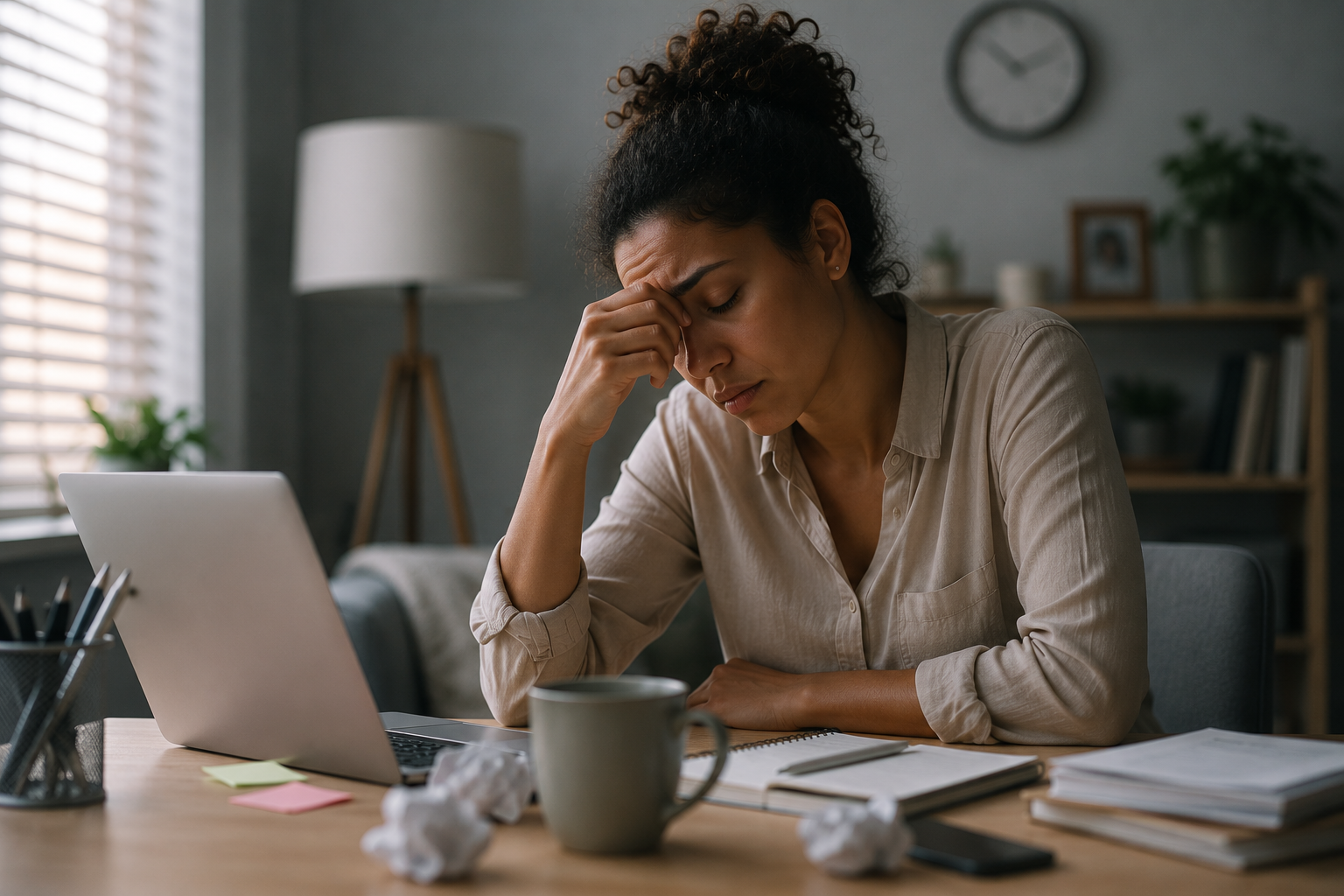
Have you ever noticed someone lose weight but still feel exhausted? Weight loss and feeling well aren't always the same thing.
Muscle plays an important role in helping us move through life with energy, confidence, and resilience. That's why I believe success isn't just about what you weigh—it's about how you feel while you're living your life.
Your goal shouldn't be reaching a number on the scale only to feel too tired to enjoy it.
💜 Coach's Challenge: Add one protein-rich food to your day this week. Small choices repeated consistently are what build lasting change.

4. It Protects Your Future
When I think about health, I rarely think only about today. I think about ten or twenty years from now. Will you be able to travel the way you want to? Pick up your grandchildren? Carry your own luggage? Stay active and independent?
Those are questions the scale can't answer, but your strength can. That's why protecting muscle isn't about looking athletic. It's about protecting the quality of your life.
Why This Matters
This is exactly why I created the P³ Framework.
For years, I watched conversations about health revolve around one thing: lose weight, hit your goal, celebrate the number on the scale. But somewhere along the way, we stopped asking a much more important question:
"How do you actually want to feel?"
At Purpose & Performance Coaching, we believe lasting health isn't about shrinking yourself. It's about building yourself. That's why everything we do is centered around three simple principles:
Preserve your strength, muscle, and the habits that support long-term health.
Protect your energy, your metabolism, and your overall well-being.
Perform so you have the health and confidence to fully show up for your family, your purpose, and your life.
Because what good is reaching your goal if you don't feel strong enough to enjoy it?

A Thought to Hold Onto
The goal isn't becoming smaller. The goal is becoming stronger.
Can I leave you with one thought? Please don't let the scale become the loudest voice in your health journey. It has a place, but it shouldn't have all the power.
I've watched people become discouraged because the scale didn't move, even while they were sleeping better, feeling stronger, walking farther, lifting heavier, and showing up with more confidence than they had in years. Those victories matter, even if the scale doesn't recognize them.
This week, celebrate something the scale can't measure. Maybe it's completing your first strength workout. Maybe it's choosing a protein-rich breakfast. Maybe it's simply having the energy to do something you couldn't do a few weeks ago.
Your body is capable of so much more than fitting into a smaller size. Treat it like something worth building, protecting, and caring for.
Continue Your Journey
Free Companion Resource
Losing weight shouldn't mean losing your strength.
Download the Muscle Protection Checklist to learn the simple daily habits that help preserve lean muscle while supporting healthy, sustainable weight loss.
Inside you'll find:
Daily protein reminders
Strength training essentials
Hydration and recovery tips
Weekly muscle-preservation check-in
Ready for Personalized Support?
Every person responds to weight loss differently. A personalized plan can help you lose weight while protecting the strength, muscle, and metabolism that support long-term health.
Together, we'll create a realistic strategy tailored to your goals, lifestyle, and stage of your journey, so you're not just losing weight, you're building a healthier, stronger future.
About the Author
Dr. Rinata Tanks, EdD, NASM-CPT is the founder of Purpose & Performance Coaching. She helps adults lose weight safely, preserve muscle, protect their metabolism, and build sustainable habits, with or without GLP-1 medications.