You Don't Need More Willpower
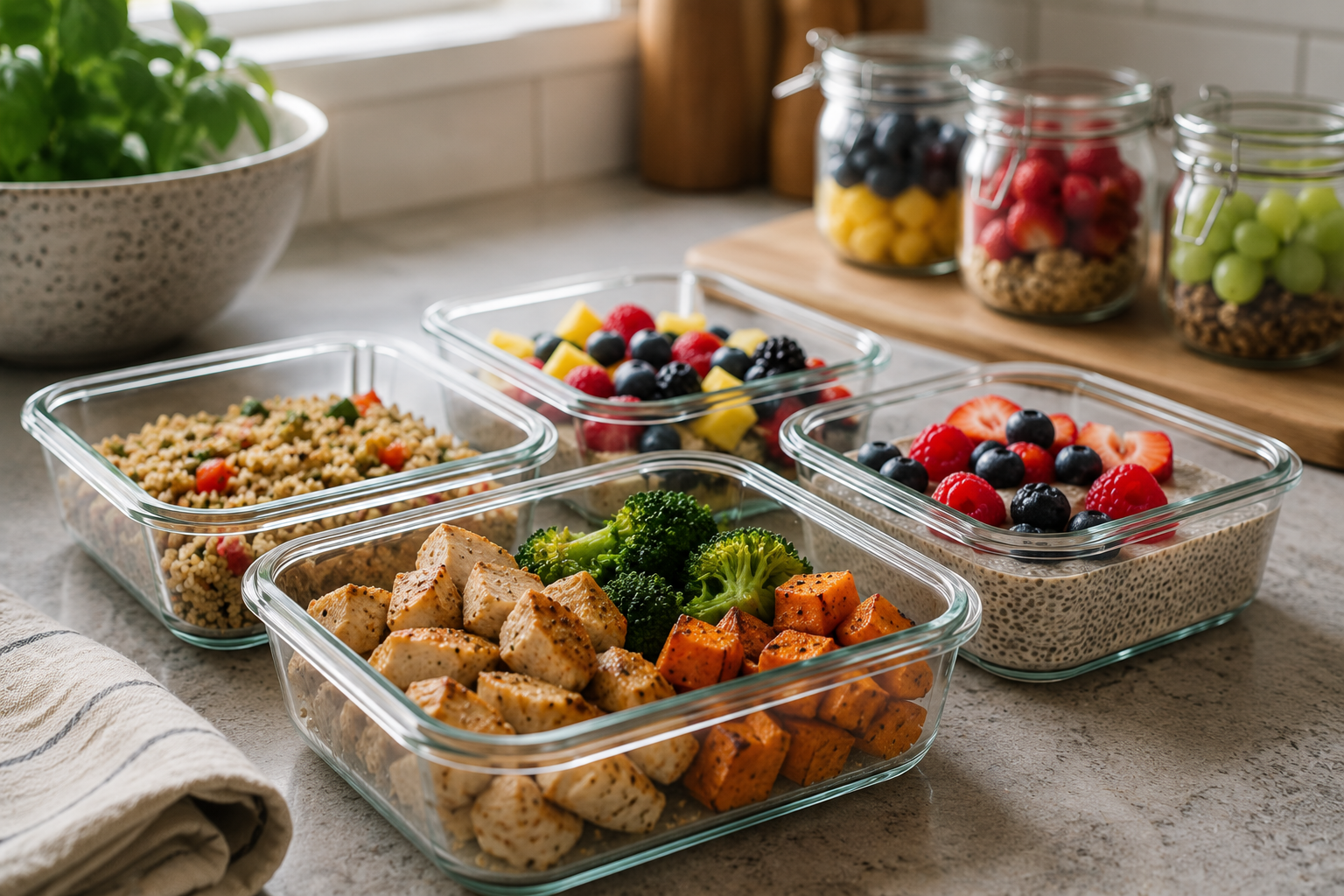
You don't become healthier by trying harder, you become healthier by making healthy choices easier.
You Are Not Lazy or Weak
As a health and fitness coach, I hear people blame themselves all the time. They tell me they are lazy, undisciplined, or simply not strong enough to stick with healthy habits.
But most people do not have a willpower problem. They are trying to use willpower to carry changes that really need planning, support, and simple routines.
Willpower can help you make a choice in the moment, but it was never meant to do all the heavy lifting for your health journey. When your entire plan depends on feeling motivated and making the “right” choice every time, it becomes very hard to keep going when life gets busy.
Think of Willpower Like a Phone Battery
Imagine waking up with your phone fully charged. Early in the day, you may feel rested, focused, and ready to follow through on your plans.
Then the day begins. You answer emails, make decisions, sit in traffic, solve problems at work, care for your family, and handle things you did not expect. Each demand uses a little more of your mental energy.
By evening, your battery may feel almost empty. Expecting yourself to cook a complicated meal, resist every craving, and complete a long workout at that point is asking a lot.
That is not a character flaw. It is a sign that you are tired and need habits that can still work when your energy is low.
Stop Asking Yourself to Try Harder
When a habit is not working, most people assume the answer is to push harder. They make stricter rules, set bigger goals, and promise themselves they will be more disciplined next time.
But trying harder does not always fix a plan that does not fit your life. Sometimes the better question is, “How can I make this easier to do?”
The people who stay consistent are not always the most motivated. They often have simple systems that reduce the number of decisions they need to make.
Your Environment Shapes Your Choices

Your surroundings matter more than you may realize. Your brain naturally notices what is easy, visible, and close by.
If chips are sitting on the counter and fruit is hidden in the refrigerator, the chips are easier to choose. If your walking shoes are buried in a closet, going for a walk takes more effort than staying on the couch.
This does not mean you have to remove every food you enjoy or create a perfect home. It means you can arrange your surroundings so your healthier choice requires less thought and less effort.
Build Systems That Support You
A system is simply something you put in place before you need it. It helps you follow through even when your motivation is low.
For example, you might prepare tomorrow’s lunch while cleaning up dinner, place your water bottle beside your keys, or choose your workout days at the beginning of the week. These small steps reduce the number of decisions you have to make later.
The goal is not to control every part of your day. It is to give yourself a little more support before the stressful or busy moments arrive.
Make Good Habits Easier
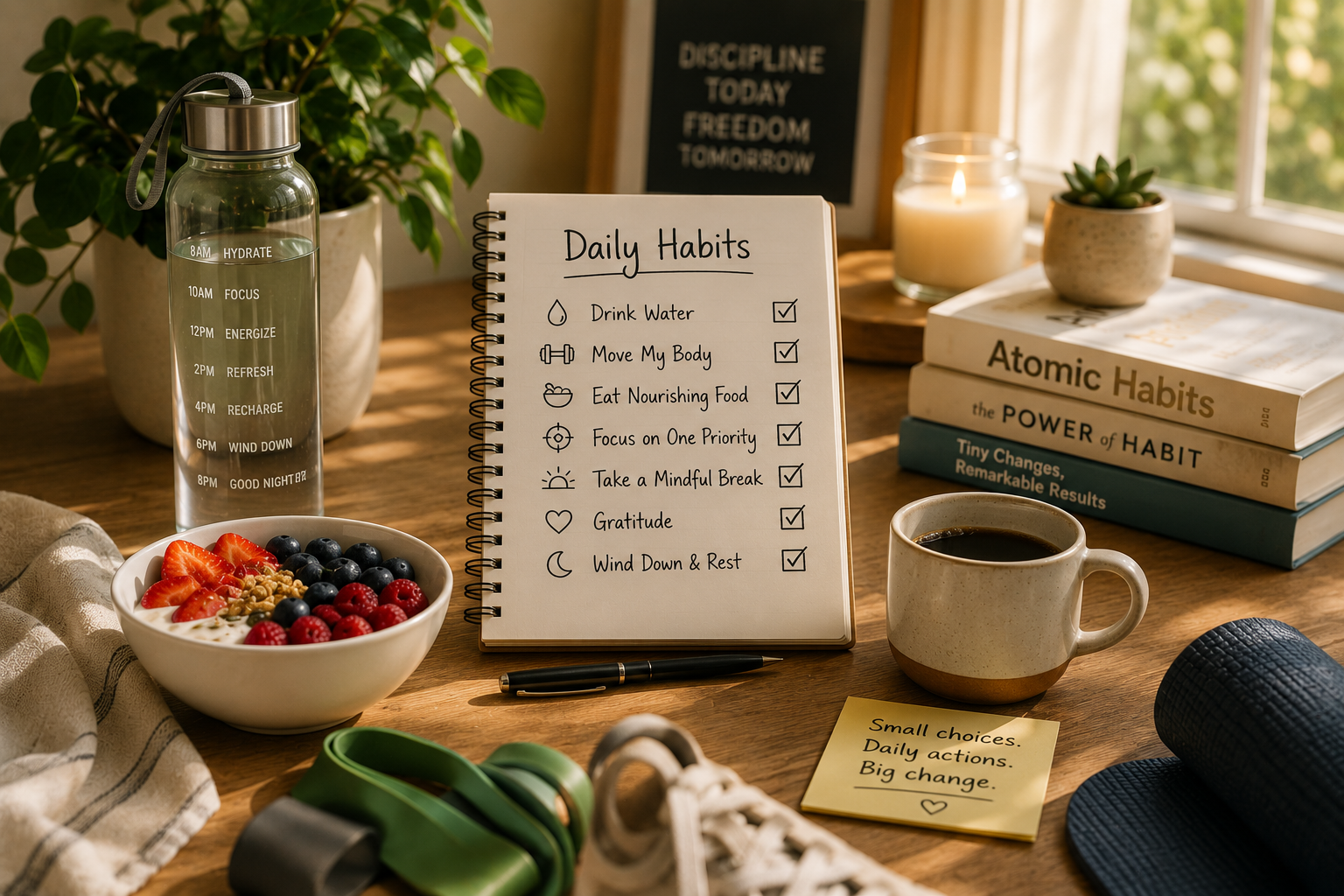
Start by looking for places where your healthy habits feel harder than they need to be. Then remove one small barrier.
Lay out your clothes and shoes the night before a morning workout. Keep easy protein foods available for days when you do not have time to cook. Put your medication, vitamins, or water bottle somewhere you will naturally see them.
You can also add a little extra effort to habits you want to reduce. Keeping snacks out of sight, turning off app notifications, or charging your phone outside the bedroom gives you a moment to pause before acting automatically.
Use Habits You Already Have
You do not always need to create a brand-new routine. Sometimes it is easier to connect a new habit to something you already do every day. This is often called habit stacking. You use an existing routine as a reminder for the new action.
You might decide, “After I pour my morning coffee, I will take my vitamins.” You could say, “After dinner, I will walk for ten minutes,” or “While my food is heating, I will do a few squats or wall push-ups.” The new habit does not need to be large. It only needs to be clear enough that you know when and how you will do it.
Plan for Your Real Life
A plan that only works on calm days is not a strong plan. Your habits also need to work when you are tired, busy, stressed, or short on time.
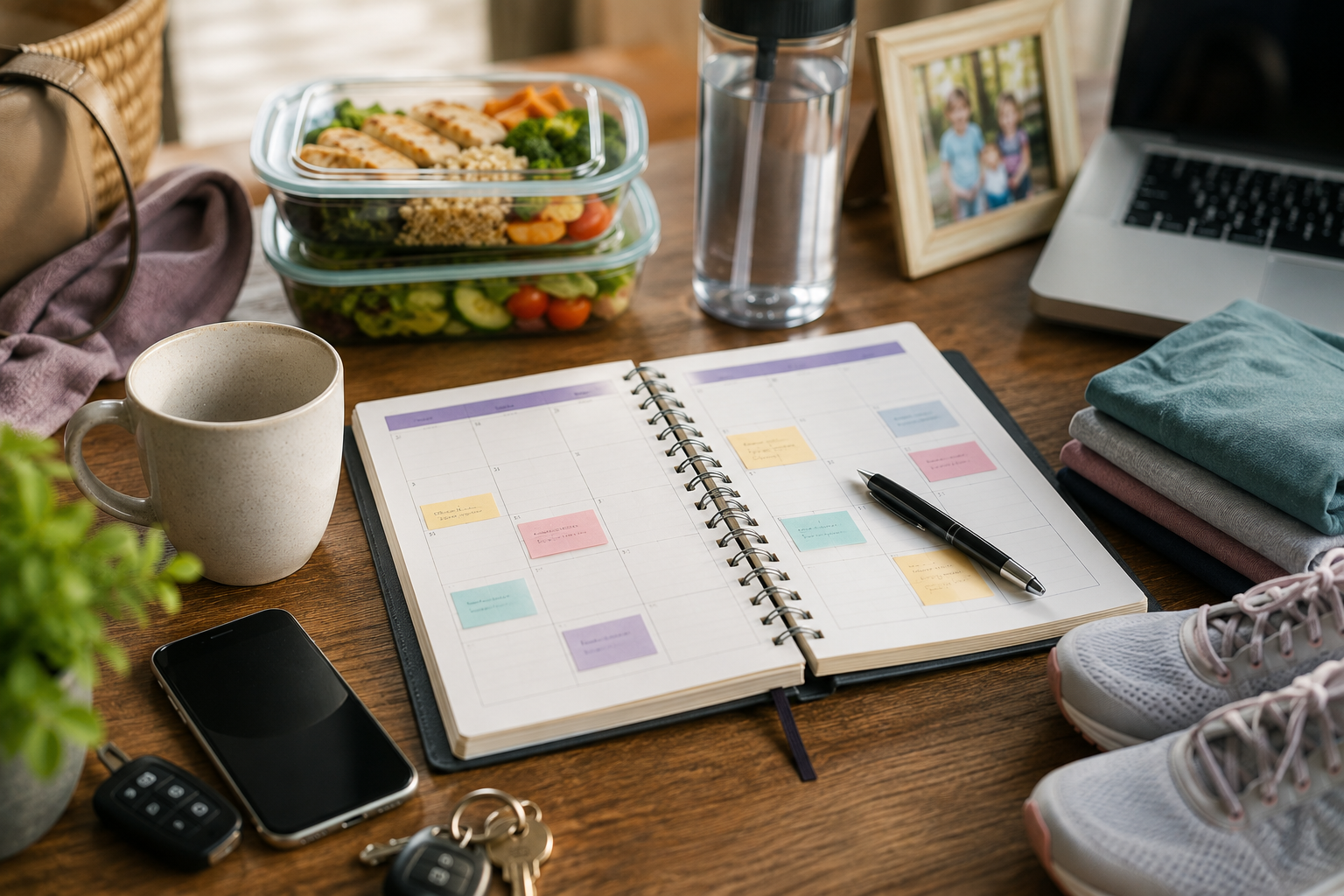
That may mean having a ten-minute workout for days when thirty minutes is not realistic. It may mean keeping a simple meal available instead of expecting yourself to cook from scratch every night.
Health has to fit into your real life. The more flexible your plan is, the less likely one difficult day is to knock you completely off track.
Progress Does Not Require Perfection
One of the biggest drains on progress is the belief that one imperfect choice means you have failed. You miss a workout, eat more than planned, or have a stressful weekend and decide you need to start over on Monday.
But one choice does not erase everything you have done. You do not need to restart your whole journey; you only need to make the next helpful choice.
Consistency is not doing everything perfectly. It is learning how to return without turning one difficult moment into a reason to give up.
Let’s Change the Question
Instead of asking, “Why don’t I have more willpower?” try asking, “What keeps making this habit difficult?”
That question moves you away from blame and toward problem-solving. It helps you notice whether the real issue is time, hunger, stress, lack of sleep, an unrealistic plan, or an environment that does not support your goal.
Once you know what is getting in the way, you can build a better solution. You cannot shame yourself into lasting change, but you can create systems that make change more possible.
Why This Matters
At Purpose & Performance Coaching, we do not believe people struggle because they do not care enough. Most people have spent years trying, stopping, restarting, and blaming themselves along the way.
The P³ Framework helps you Preserve your strength, Protect your physical and emotional health, and Perform with habits that support the life you actually live. That means building a plan that can adjust when life changes instead of falling apart the moment everything is not perfect.
Healthy habits should not depend on you feeling highly motivated every day. They should become simple, realistic parts of your routine that continue supporting you even when your battery is running low.

Build Habits That Fit Your Life
You do not need to make every healthy choice easy. You only need to make it easier than it was before.
Take a moment to think about one habit you have been calling a willpower problem. What is actually making that habit hard?
Maybe your mornings are rushed, your workouts are too long, healthy food is not prepared, or you are expecting yourself to make difficult choices after an exhausting day.
Choose one barrier and make it a little smaller this week. Remember, you do not need to become stricter, tougher, or more perfect. You need a plan that supports you when motivation is high and when it is not.
You are not failing because you are human. You are learning how to build habits that work with your life instead of constantly fighting against it.
Continue Your Journey
Free Companion Resource
If you've been relying on willpower to stay on track, it's time for a different approach. Download the Habit Reset Weekly Planner to create simple, realistic habits that fit your life. Because lasting change doesn't come from trying harder, it comes from having a plan.
Ready for Personalized Support?
Healthy habits look different for everyone. Together, we'll create a personalized plan that works with your lifestyle, helping you build sustainable routines, overcome obstacles, and make healthy choices feel easier over time.
About the Author
Dr. Rinata Tanks, EdD, NASM-CPT is the founder of Purpose & Performance Coaching. She helps adults lose weight safely, preserve muscle, protect their metabolism, and build sustainable habits, with or without GLP-1 medications.