Protein: The Most Overlooked Tool on GLP-1
Can I Ask You a Question?
Have you ever looked at your plate and thought, "I know I should eat...I'm just not hungry?" If you're taking a GLP-1 medication, you're not alone. In fact, that's one of the biggest concerns I hear from clients. They know they should eat more protein, but after a few bites, they're already full.
The medication is doing its job by reducing your appetite. The challenge is that your body still needs the nutrients that help it stay strong and healthy while you're losing weight.
Let's Change the Question
Most people ask, "How much protein do I need?" That's an important question, but I think there's a better one. "How can I protect my body while I'm losing weight?" You see, the goal isn't just to lose pounds on the scale. The goal is to lose body fat while preserving as much muscle, strength, and energy as possible.
That's where protein becomes one of your greatest allies. When your appetite becomes smaller, the quality of what you eat becomes even more important.
Why Protein Deserves a Spot on Your Plate
Have you ever noticed that some people lose weight but end up feeling weak or tired. One reason is that weight loss doesn't come only from body fat. When you eat much less than your body needs, especially without enough protein or strength training, you can also lose muscle.
That matters because muscle helps you do so much more than lift weights. It helps you carry groceries, climb stairs, play with your children or grandchildren, recover from illness, and stay independent as you get older.
Protein gives your body the building blocks it needs to help maintain that muscle. It won't do the work by itself, but when it's paired with strength training, it becomes part of a plan that helps protect your body while it's changing.
So...How Much Protein Do You Really Need?
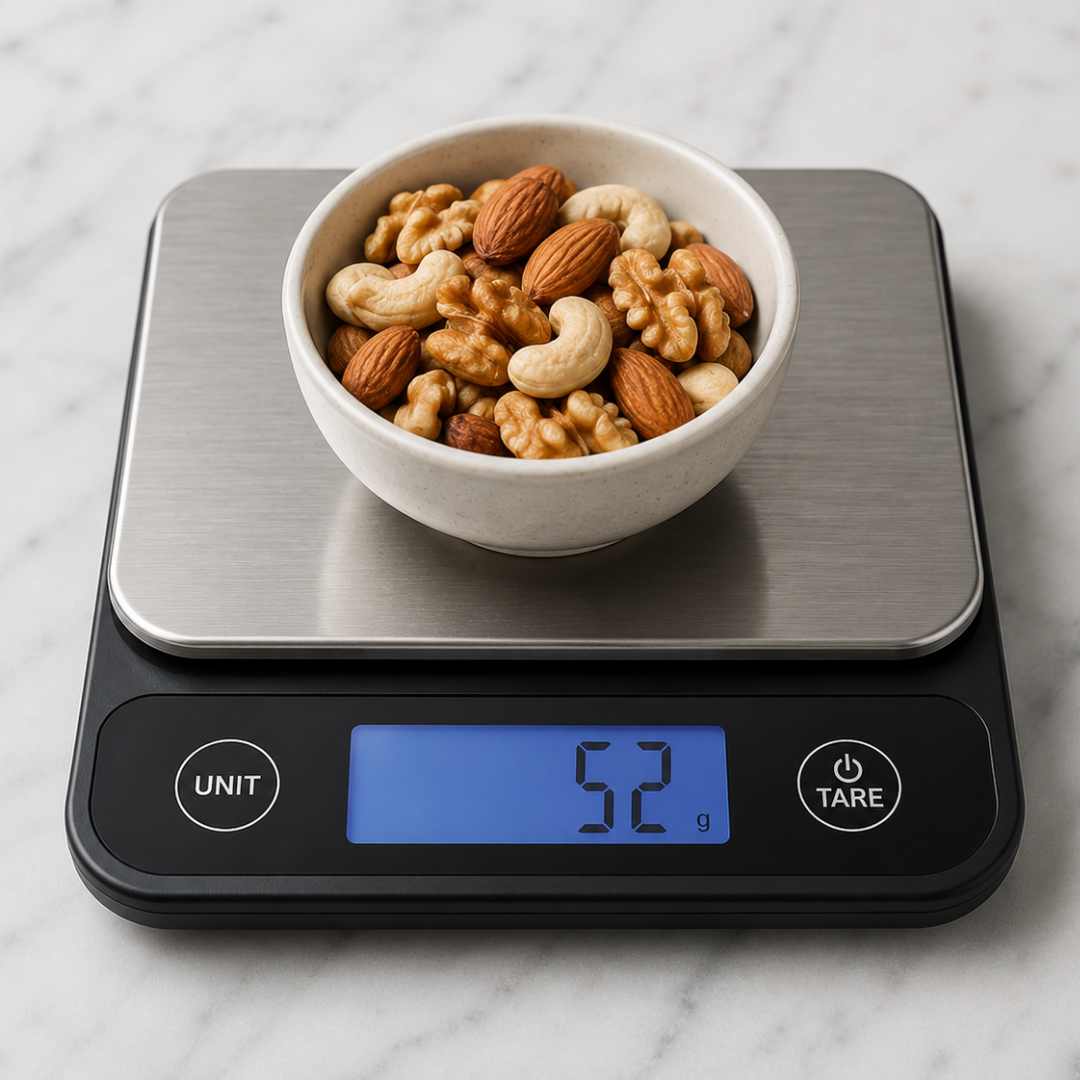
I wish I could tell you there was one magic number, but there isn't. The right amount depends on your body, your age, your health, your activity level, and your goals. For many people losing weight, especially while taking a GLP-1, a daily goal somewhere around 80 to 120 grams of protein is often appropriate.
The exact number should always be personalized with your healthcare provider or registered dietitian. If it feels overwhelming, don't panic. You don't have to hit it tomorrow. Instead, start by asking yourself a much simpler question: "Did I include a good source of protein every time I ate today?" That one habit can make a big difference over time.
"But I'm Never Hungry."
This is where many people get stuck. When your appetite disappears, eating can start to feel like another task on your to-do list. Instead of trying to force yourself to eat three large meals, think about creating several smaller opportunities to nourish your body throughout the day.
Maybe breakfast is Greek yogurt with berries. Lunch is half a turkey sandwich. An afternoon snack is cottage cheese or a protein shake. Dinner is a small piece of fish with vegetables. Those meals may not seem impressive on their own, but together they help your body get what it needs.
Make Protein Easier, Not Harder
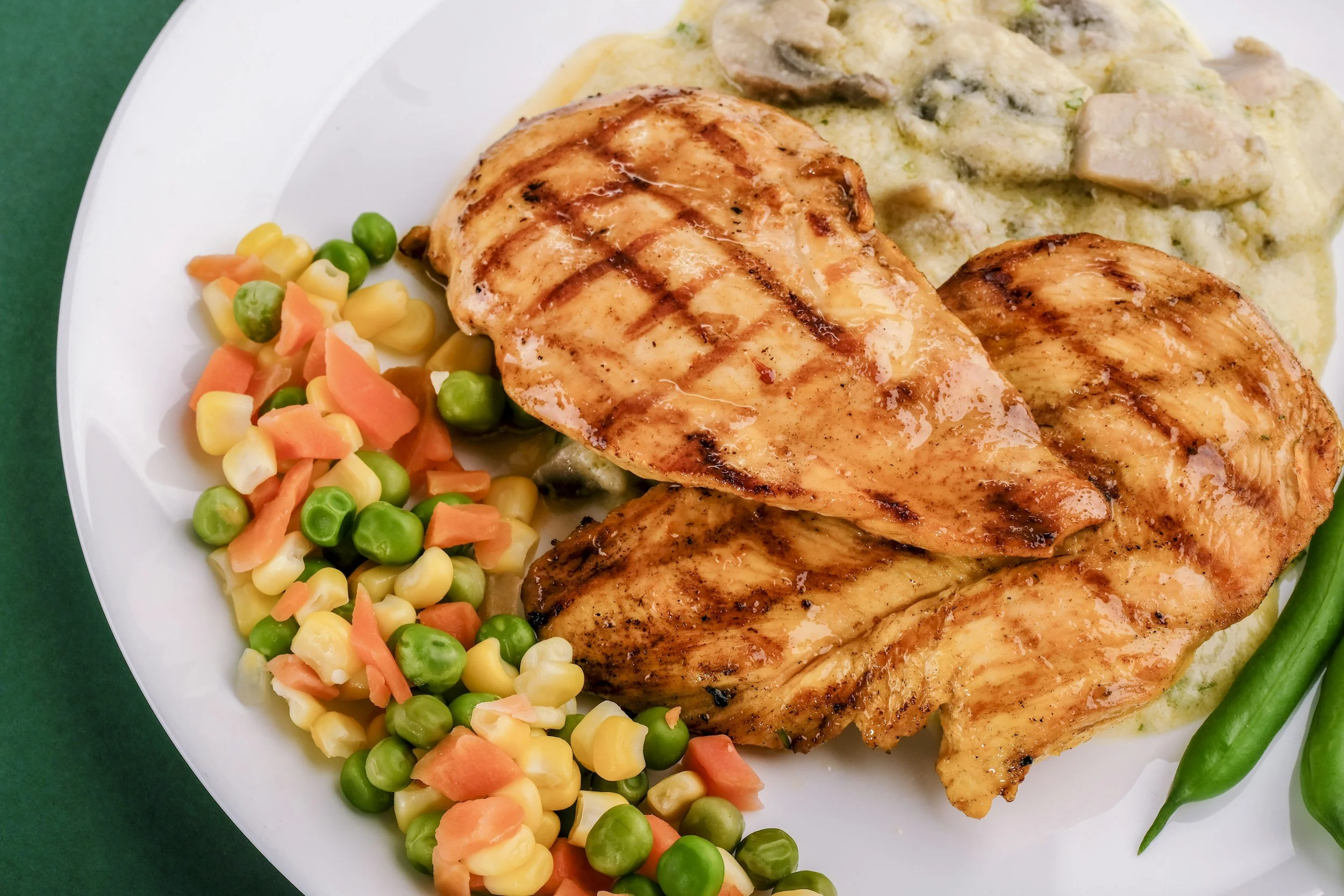
One of the biggest mistakes I see is people thinking they have to eat huge portions of chicken to get enough protein. You don't. Eggs, fish, Greek yogurt, cottage cheese, beans, lentils, tofu, lean meats, edamame, milk, and protein shakes can all help you reach your goal. The best choice isn't the one that's trending online, it's the one you'll actually enjoy eating consistently.
Another simple strategy is to eat your protein first. If you know you'll get full quickly, start with a few bites of your protein before moving to the rest of your meal. That way, even if you don't finish everything on your plate, you've already given your body something it truly needs.
Don't Forget About Strength Training
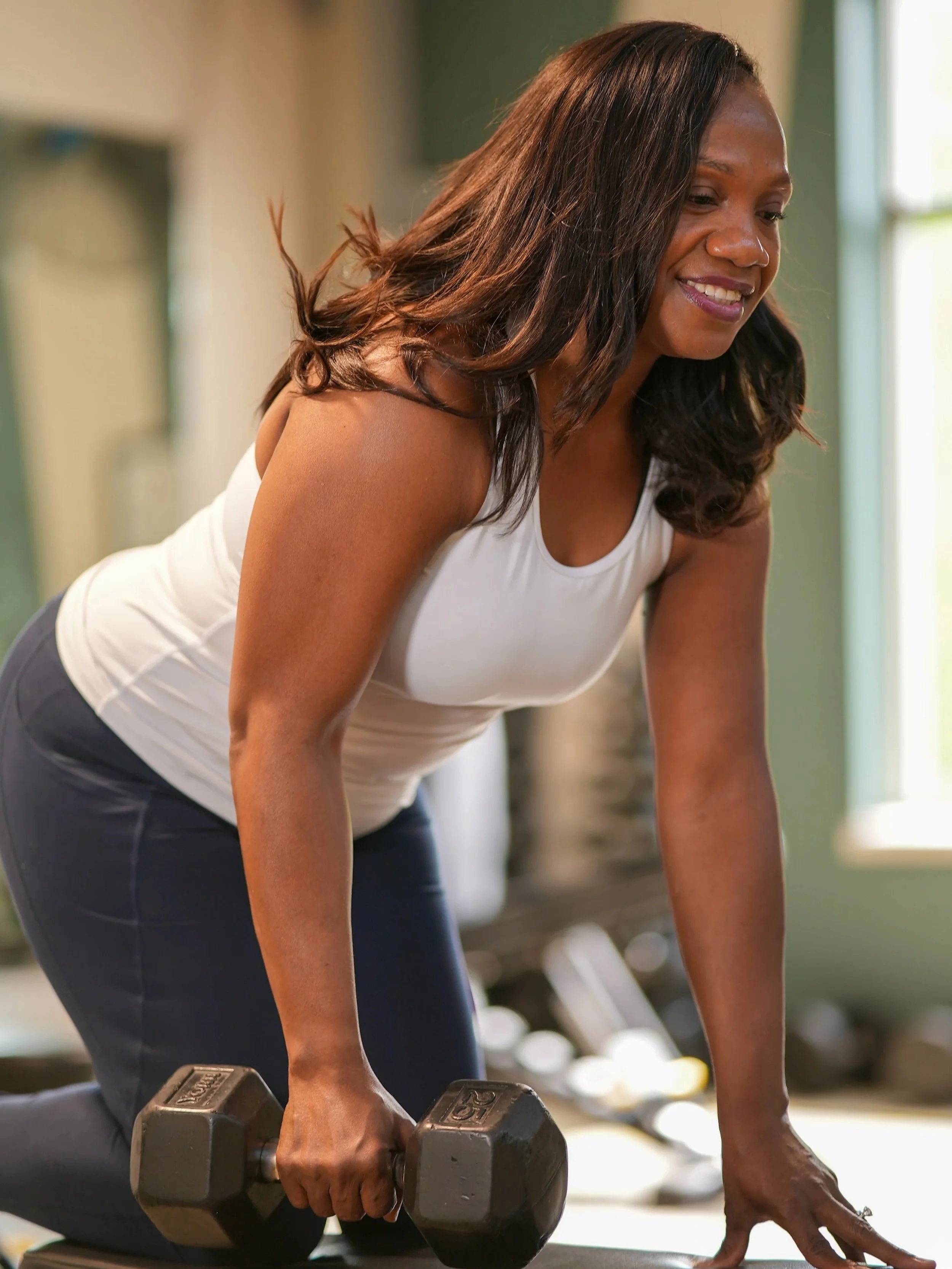
Can I let you in on a little secret? Protein and strength training make a great team. Think of your muscles like a house you're trying to protect during a renovation. Protein provides the nutrients your muscles need, while strength training gives your body a reason to keep that muscle instead of breaking it down.
Together, they help protect your strength and metabolism during weight loss. The good news is that strength training doesn't have to mean spending hours in a gym. Bodyweight exercises, resistance bands, or a pair of dumbbells a few times each week can make a meaningful difference.
Why This Matters
This is exactly why I created the P³ Framework.
I wanted people to stop thinking that successful weight loss meant eating as little as possible. Healthy weight loss is about protecting your body while it's changing, not punishing it into becoming smaller.
That's why we focus on three simple principles:
Preserve your muscle and strength.
Protect your metabolism, your energy, and your long-term health.
Perform so you have the strength to fully enjoy the life you're building.
Because reaching your goal weight feels very different when you also feel strong enough to enjoy it.

Can I leave you with one question?
If your appetite is smaller today, how can you make every bite count?
Don't worry about eating perfectly. Don't compare yourself to someone else's protein goal. Instead, choose one small change that feels realistic this week.
Maybe that's adding an egg to breakfast. Maybe it's keeping Greek yogurt in the refrigerator or drinking half a protein shake on the days when eating feels difficult.
Remember, this journey isn't about perfection. It's about consistently giving your body the support it needs while it's working hard for you. Small choices, repeated over time, are what lead to lasting results.
Continue Your Journey
Make Protein Simple.
Knowing you need more protein is one thing, getting enough each day is another. Download the Protein Quick Guide for practical food ideas, portion tips, and easy meal and snack suggestions to help you meet your protein needs with confidence.
Inside you'll find:
High-protein foods to keep on hand
Easy meal and snack ideas
Simple portion guidance
Practical ways to increase protein throughout the day
Ready for Personalized Support?
Nutrition isn't one-size-fits-all. Whether you're taking a GLP-1 medication, working toward weight loss, or simply trying to build healthier eating habits, personalized coaching can help you develop a nutrition plan that fits your lifestyle and supports your goals.
Together, we'll create realistic strategies to help you nourish your body, preserve muscle, and build habits you can maintain long term.
About the Author
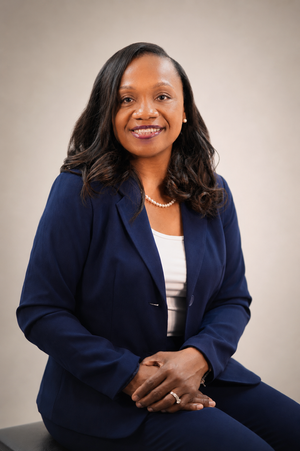
Dr. Rinata Tanks, EdD, NASM-CPT is the founder of Purpose & Performance Coaching. She helps adults lose weight safely, preserve muscle, protect their metabolism, and build sustainable habits, with or without GLP-1 medications.